Translate

السبت، 17 يونيو 2023

تضخم الطحال ونقص الجالاكتوز إبيميراس


تضخم الطحال /من ويكيبيديا، الموسوعة الحرة
الطَّحَل
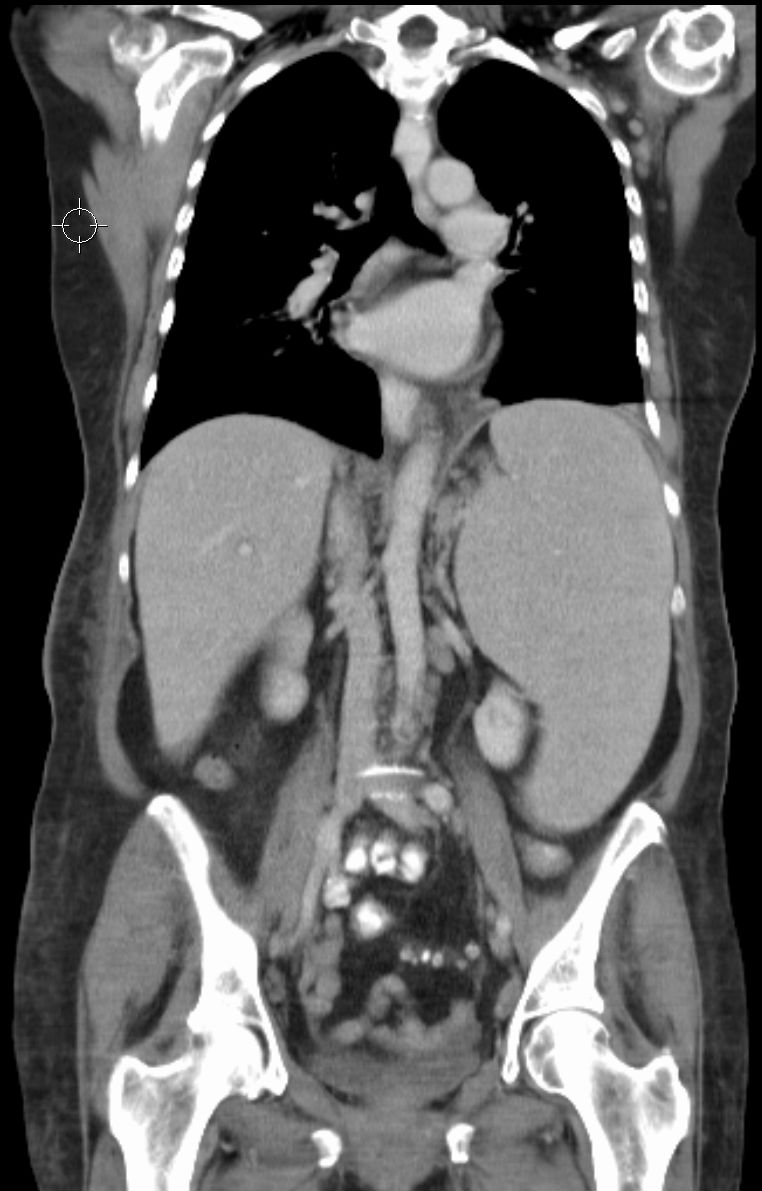
تصوير مقطعي محوسب يظهر فيه طَحَل لدى مريض يعاني من ابيضاض لمفاوي مزمن
معلومات عامة
الاختصاص جراحة عامة
الطَّحَلُ أو تَضَخُّمُ الطَّحَالِ
(بالإنجليزية: Splenomegaly)‏ هو ازدياد حجم الطحال. يقع الطحال في الربع العلوي الأيسر من بطن الإنسان. يعتبر تضخم الطحل واحد من أربعة العلامات الأساسية لفرط نشاط الطحال، انخفاض معين في عدد خلايا الدم الجائلة مؤديًا إلى أي مزيج من انخفاض كمية الخلايا المُحبّبة، خلايا الدم الحمراء أو الصفائح الدموية; استجابة تكاثرية تعويضية في نقي العظم; وقابلية تصحيح هذه العيوب عن طريق استئصال الطحال.
تعريف
لا يجب الخلط بين تضخم الطحال وتوحش الطحال، فتضخم الطحال يعني زيادة حجم الطحال مع أو بدون اضطراب وظائفه. أما توحش الطحال فيعني اضطراب وظائف الطحال حيث يقوم بتكسير خلايا الدم البيضاء وكرات الدم الحمراء والصفائح قبل اكتمال عمرها الافتراضي وقد يحدث ذلك بوجود زيادة في حجم الطحال أو بدون. وقد يصاب المريض بأحد الأثنين أو كلاهما معًا في وقت واحد.
صنّف الطبيب باولين وفريق عمله في ورقة بحثية منشورة
تضخم الطحال على النحو التالي: طحل معتدل إذا كان البعد الأكبر للطحال يتراوح بين الـ 11-20 سم
طحل شديد إذا كان البعد الأكبر للطحال أكبر من 20 سم
وكلينيكيًا ففي الحالة الطبيعية يكون الطحال عضو غير محسوس بواسطة الفحص اليدوي للطبيب، وإن استطاع الطبيب أن يحسّ ولو جزء من الطحال بالفحص عندها يتم اعتبار الطحال متضخمًا، وذلك في البالغين. أما في حديثي الولادة فإن الطبيب يمكنه بالفحص اليدوي إحساس الطحال وحتى عمر 3 شهور.
الأعراض
قد تشمل أعراض الطَحَل ألم بطني، ألم الصدر، وألم صدر شبيه بألم الصدر الجنبي عند امتلاء المعدة، المثانة البولية أو الأمعاء، وآلام الظهر، والشبع المبكّر بسبب تضخم الطحال، أو أعراض أخرى لفقر الدم بسبب قلة الكريات.
العلامات
بالفحص السريري يمكن للطبيب أن يحس بيده الحافة السفلية للطحال تحت حافة الضلوع اليسرى، كما يمكنه سماع صوت مميز للطحال المتضخم بواسطة السماعة الطبية. ولابد من تأكيد التشخيص بواسطة التصوير التليفزيوني على البطن أو أشعة الرنين المغناطيسي.
أسبابالأسباب الأكثر شيوعًا للتضخم الطحال في البلدان المتقدمة هي مرض كثرة الوحيدات العدوائية، واختراق الطحال من قبل خلايا سرطانية من ورم دموي خبيث، وفرط ضغط الدم البابي (في معظم الحالات ثانوي لمرض الكبد، وساركويد). وقد ينبع كذلك الطحل من الالتهابات الجرثومية، مثل الزهري أو عدوى تصيب الطبقة الداخلية في لقلب (إلتهاب الشغاف).
تشمل الأسباب المحتملة للطَحل الشديد (الطحال العملاق) وفيه يكون وزن الطحال > 1000 غرام: الإصابة بالبلهارسيا
الملاريا
داء الليشمانيات الحشوي
ابيضاض الدم النقوي المزمن
تليف نقوي وهو سرطان نادر يصيب نخاع العظام
تشمل الأسباب المحتملة للطَحَل المعتدل وفيه يكون وزن الطحال <1000 غرام :
أسباب تضخم الطحال مصنفة إلى مجموعات حسب السبب إزدياد الوظيفة تدفق دم غير طبيعي إرتشاح
وظيفة تكسير كريات الدم الحمراء التالفة كثرة الكريات الحمر الكروية
ثلاسيميا
إعتلال هيموغلوبيني
فقر الدم المتعلق بالغذاء
فقر الدم المنجلي المبكر
الوظيفة المناعية
العدوى البكتيرية والفيروسية والطفيلية كثرة الوحيدات العدوائية، الإيدز,
التهاب الكبد الفيروسي
التهاب الشغاف البكتيري الحاد، تسمم الدم
خرّاج الطحال, حمى التيفويد
داء البروسيلات، داء البريميات، السل الرئوي
داء النوسجات
ملاريا، داء الليشمانيات، داء المثقبيات
أمراض اضطراب المناعة التهاب المفاصل الروماتويدي
ذئبة حمامية شاملة
داء المصل
داء البلعمة
فقر الدم الانحلالي بالمناعة الذاتية
مرض التكاثر الليمفاوي وهي مجموعة من الأمراض التي يتم فيها زيادة الخلايا الليمفاوية بشكل غير طبيعي وغير منتظم
ساركويد
التفاعلات الدوائية
وظيفة تكوين الدم خارج النقي(الجزء من العظام المسؤول عن تصنيع الدم) وفيه يفضل نخاع العظام في القيام بوظيفته في تكوين خلايا الدم فتنتقل هذه الوظيفة إلى أعضاء أخرى هي الكبد والطحال مما يسبب زيادة حجمهما تليّف نقوي وهو ورم سرطاني يصيب نخاع العظم مما يؤدي إلى تحول عملية تصنيع الدم إلى الكبد والطحال
أورام الدم ونخاع العظم لوكيميا
تعرض نخاع العظم للإشعاع مما يسبب فشله وتوقف وظيفته فشل عضوي تشمع الكبد مما يسبب احتقان الدم داخل الطحال وتضخمه
وعائي إنسداد الوريد الكبديّ
إنسداد الوريد البابيّ (متلازمة بانتي) : وهو المسؤول عن نقل الدم من الطحال والجهاز الهضمي إلى الكبد
متلازمة بود كياري
إنسداد الوريد الطحاليّ : وهو المسؤول عن نقل الدم من الطحال إلى الالوريد الأجوف السفلي ومنه إلى القلب
حالات عدوى داء البلهارسيات الكبدي
داء المشوكات أمراض استقلابية داء غوشيه
داء نيمان بيك
داء الألفا مانوزيدي
متلازمة هيرلر وداء عديد السكاريد المخاطي
داء نشواني
عوز البروتين الشحمي العائلي
أورام حميدة أو خبيثة لوكيميا بأنواعها
ليمفوما بأنواعها
مرض تكاثر نقوي
هجرة خلايا سرطانية من أي عضو إلى الطحال
داء كثرة المنسجات X
ورم وعائي دموي، ورم لمفي
تكيسات الطحال
ورم عابي
ورم حبيبي حلقي
العلاج
إن كانت حالة تضخم الطحال مصاحبة لحالة توحش الطحال فلابد من إجراء جراحة استئصال الطحال, مع استمرار إجراء الفحوص واتخاذ العلاجات اللازمة لعلاج السبب إن أمكن.
ولأن الطحال دور هام في المناعة والدفاع عن الجسم ضد البكتيريا والفيروسات فإنه في حالة تقرير استئصال الطحال كعلاج لمريض ما لابد من تطعيم هذا المريض قبل العملية بعدة تطعيمات ضد بكتيريا المستدمية النزلية التي تتسبب في التهاب رئوي والتهاب سحائي مميت، وضد بكتيريا المكورة الرئوية وبكتيريا المكورة السحائية. ولابد أن يتعاطى المريض أيضًا التطعيم ضد الإنفلونزا سنويًا، وفي بعض الحالات قد يوصف للمريض مضادات حيوية للوقاية.
انظر أيضًانقص الجالاكتوز إبيميراس
متلازمة أومين
علامة سريرية
متلازمة بانتي
فرط ضغط الدم البابي
انعدام الطحال
ضخامة الأعضاء
======
نقص الجالاكتوز إبيميراس
من ويكيبيديا، الموسوعة الحرة
نقص إيبيميراز الجالاكتوز
 undefined
معلومات عامة
من أنواع وجود الغالاكتوز في الدم، واضطراب صبغي جسدي متنحي
Pathways of galactose metabolism
نقص الجالاكتوز إبيميراس، المعروف أيضا باسم نقص غيل، غالاكتوسيميا الثالث ونقص أودب الجالاكتوز -4 إبيميراس،
هو نادر، شكل متنحية مقهورة من الجالاكتوز في الدم يرتبط مع نقص في إبيميراس انزيم غالاكتوز.
الأعراض أعراض الجلوكتوزيميا النوع الثالث هي واضحة من الولادة، ولكن تختلف في شدة اعتمادا على ما إذا كان شكل المرض المحيطي أو المعمم موجود. قد تشمل الأعراض:
اليرقان عند الأطفال
نقص التوتر الطفولي
ملامح ديسمورفيك
فقدان السمع الحسي العصبي
إعاقة النمو
أوجه القصور الإدراكي
استنفاد خلايا بوركينجي المخيخ
فشل المبيض (بوي) و هيبيرغوناديسم الضخامي
تليف كبدى
الفشل الكلوي
تضخم الطحال إعتام عدسة العين
دراسات النوع الثالث لأعراض الجالاكتوز في الدم هي في معظمها وصفية، وتبقى الآليات المسببة للأمراض الدقيقة غير معروفة. ويرجع ذلك إلى حد كبير إلى عدم وجود نماذج حيوانية وظيفية من الجالاكتوز في الدم الكلاسيكية. التطور الأخير من ذبابة الفاكهة ميلانوغاستر غيل متحولة المعرض أعراض الجالكتوزيميا قد تسفر عن نموذج الحيوان في المستقبل واعدة.
علم الوراثة

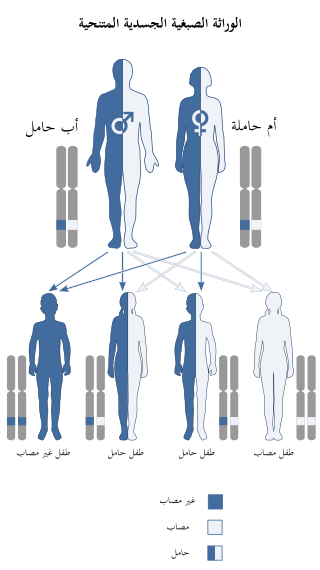
نقص الجالاكتوز إبيميراس لديه نمط وراثي متنحي.
الجالاكتوز إبيميراس نقص هو اضطراب متنحي وراثي،
وهو ما يعني أن الجين المعيب يقع على جسيم أوتوسوم، ونسختين من الجين المعيب - واحد من كل الوالدين - مطلوبة لترث هذا الاضطراب. يحمل والدا الفرد المصاب باضطراب جسمي متنحي نسخة واحدة من الجين المعيب، ولكن عادة لا يعاني من أي علامات أو أعراض للاضطراب.
أساس وراثيوقد تم تحديد الطفرات غيل البشرية المختلفة مما أدى إلى نوع 3 الجالاكتوز في الدم.
تحليل وظيفي من هذه الأشكال الإسعافية غيل متحولة تشير إلى أن انخفاض الكفاءة التحفيزية وزيادة احتمال هضم بروتين تعمل بشكل سلبي في النوع الثالث من الجالاكتوز في الدم.
بقايا متحوله تأثير البيوكيميائية المظاهر السريرية
V94M, K257R, L313M, R335H ضعف شديد وعدد دوران وخصوصية ثابتة شديد الجالاكتوز في الدم المعمم.
S81R, T150M, P293L انخفاض عدد دوران معتدل الجالاكتوز في الدم وسيطة.
L183P, D103G, G90E, N34S ضعف شديد ورقم دوران وخصوصية ثابتة. وزيادة الهضم بروتين. الجالاكتوز في الدم معمم شديد.
أساس الكيمياء الحيوية

مسارات، وسيطة، والانزيمات المشاركة في استقلاب الجالاكتوز.
نقص غيل يحول دون تجديد أودب الجلوكوز، ومنع تشكيل الجلوكوز -1 الفوسفات ويؤدي إلى تراكم الجلاكتوز والجلاكتوز -1 الفوسفات. وقد تبين أن مستويات عالية من الجالاكتوز -1 الفوسفات تتداخل مع فوسفهوغلوكوموتاز، فوسفوريلاز الجليكوجين، أودب-غليكوبيروفوسفوريلاز، ونشاط مونوفوسفهاتاز إينوزيتول في النماذج البكتيرية وفي المختبر، ولكن في الجسم الحي سمات آليات لم يتم تأكيدها بعد. بغض النظر عن، متوسط مستويات الجالاكتوز -1 الفوسفات بمثابة التنبؤات الأكثر دقة لشدة الأعراض المرتبطة النوع الثالث من الجالاكتوز في الدم.
انسداد مسار ليلور عن طريق نقص غيل أو اختلال وظيفي ينشط مسارات بديلة من استقلاب الجلوكوز ويؤدي إلى تشكيل غالاكتيتول وغالاكتونات. يتم استقلاب غالاكتونت بواسطة مسار الفوسفات البنتوز، ولا يعتبر سامة. غالاكتيتول، ومع ذلك، قد تتراكم في ألياف العدسة، وتضارب عدسة نفاذية الخلايا الظهارية وتؤدي إلى موت الخلايا وتشكيل الساد.
غيل نقص أيضا يتلوى جليكوليبيد والبروتين سكري بسبب انخفاض إنتاج أودب-غالناك من أودب-غلناك.
التشخيصالفحص للكشف عن مستويات الجالاكتوز مرتفعة قد كشف نقص غيل أو اختلال وظيفي لدى الرضع، ودراسات طفرة ل غيل متاحة سريريا.
تصنيف
هناك نوعان من نقص إبيميراس: نقص حميدة ونقص الكبد الحاد. شكل حاد يشبه الجالاكتوز في الدم.
العلاجالأفراد الذين يعرضون مع النوع الثالث من الجالاكتوز في الدم يجب أن تستهلك النظام الغذائي اللاكتوز والجلوكتوز مقيدة خالية من منتجات الألبان والنباتات موسيلاجينوس. التقييد الغذائي هو العلاج الحالي الوحيد المتاح لنقص غيل. كما أن البروتين السكري والبروتين السكري الأيض توليد الجالاكتوز الذاتية، ومع ذلك، لا يمكن حل الجالاكتوز في الدم النوع الثالث فقط من خلال تقييد الغذائية 

======

دواء مضاد لمرض السكر من الجيل التالي} {Liraglutide – Next-Generation Antidiabetic Medication{Liraglutide}


Liraglutide – Next-Generation Antidiabetic Medication{Liraglutide 

 دواء مضاد لمرض السكر من الجيل التالي}

Under development by Novo Nordisk, liraglutide is a member of a new class of antidiabetic medications called GLP-1 analo
Drug (Brand/Generic)
Liraglutide
Company/Licensee
Novo Nordisk
Therapy Class
GLP-1 analogue
Product Description
Long-acting human analogue of naturally occurring hormone, GLP-1
Current Indication
Type 2 diabetic patients poorly controlled with diet plus metformin and/or sulfonylureas
Expand
Novo Nordisk’s repaglinide (NovoNorm) is an oral antidiabetic agent for the treatment of type 2 diabetes in patients who uncontrolled by diet and exercise.
Raised blood pressure and obesity are features

 {تحت التطوير من قبل شركة Novo Nordisk ، فإن liraglutide هو عضو في فئة جديدة من الأدوية المضادة لمرض السكر تسمى GLP-1 analo
عقار (ماركة / عامة)
ليراجلوتايد
الشركة / المرخص له
نوفو نورديسك
فئة العلاج
نظير GLP-1
وصف المنتج
التناظرية البشرية طويلة المفعول للهرمون الطبيعي GLP-1
الإشارة الحالية
مرضى السكري من النوع 2 سيطرت عليهم الحمية الغذائية بالإضافة إلى الميتفورمين و / أو السلفونيل يوريا
يوسع
ريباجلينيد نوفو نورديسك (نوفونورم) هو عامل مضاد لمرض السكر عن طريق الفم لعلاج مرض السكري من النوع 2 في المرضى الذين لا يخضعون للسيطرة عن طريق النظام الغذائي والتمارين الرياضية.
ارتفاع ضغط الدم والسمنة من السمات}

 common to people who develop type 2 diabetes.
Novo Nordisk’s NovoMix 30 is a unique insulin analogue that combines rapid and intermediate acting insulin aspart, providing the insulin requirement in a single injection.
Novo Nordisk’s repaglinide (NovoNorm) is an oral antidiabetic agent for the treatment of type 2 diabetes in patients who uncontrolled by diet and exercise.
Raised blood pressure and obesity are features common to people who develop type 2 diabetes.
Liraglutide is an antidiabetic drug manufactured by Novo Nordisk. It is a member of a new class of antidiabetic medications called GLP-1 analogues. These mirror the effects of naturally produced glucagon-like peptide-1 (GLP-1), which includes glucose-dependent stimulation of insulin secretion, suppression of glucagon secretion, reduction of appetite and delay of food absorption

{شائع للأشخاص الذين يصابون بداء السكري من النوع 2.
NovoMix 30 من Novo Nordisk هو نظير فريد للأنسولين يجمع بين الأنسولين السريع والمتوسط المفعول الأسبارت ، مما يوفر متطلبات الأنسولين في حقنة واحدة.
ريباجلينيد نوفو نورديسك (نوفونورم) هو عامل مضاد لمرض السكر عن طريق الفم لعلاج مرض السكري من النوع 2 في المرضى الذين لا يخضعون للسيطرة عن طريق النظام الغذائي والتمارين الرياضية.
يُعد ارتفاع ضغط الدم والسمنة من السمات الشائعة للأشخاص المصابين بداء السكري من النوع 2.
Liraglutide هو دواء مضاد لمرض السكر تصنعه شركة Novo Nordisk. إنه عضو في فئة جديدة من الأدوية المضادة لمرض السكر تسمى نظائر GLP-1. تعكس هذه تأثيرات الببتيد 1 الذي يشبه الجلوكاجون الطبيعي (GLP-1) ، والذي يتضمن التحفيز المعتمد على الجلوكوز لإفراز الأنسولين ، وقمع إفراز الجلوكاجون ، وتقليل الشهية وتأخير امتصاص الطعام}

 
Based primarily on data from the LEAD Phase III trials, in May 2008 the company submitted a New Drug Application (NDA) to regulatory authorities in the US and Europe. Somewhat earlier than expected, filling subsequently followed in Japan in July 2008.
In April 2009, a US Food and Drug Administration (FDA) advisory committee reviewed data from animal studies and expressed concerns that the drug may cause thyroid tumours in mice and rats.
Although there was no evidence that liraglutide caused cancer in humans, the committee was of the opinion that Novo Nordisk had not ruled out the possibility. The timing of liraglutide’s launch in the US depended on the completion of the FDA’s review of Novo Nordisk’s NDA.
"In January 2010, the FDA approved Victoza for the treatment of type 2 diabetes in adults."
However, in July 2009, the European Commission awarded marketing authorisation for Victoza (liraglutide) in 27 member countries of the EU. Victoza is the approved brand name for liraglutide in Europe. The authorisation governed treatment in combination with metformin or a sulphonylurea in patients with inadequate glycaemic control in spite of maximal tolerated dose of monotherapy with these agents. The authorisation also covered combination treatment with metformin and a sulphonylurea or metformin and a thiazolidinedione in patients with inadequate glycaemic control in spite of the therapies.
Following the authorisation Novo Nordisk launched Victoza onto the UK, Germany and Denmark markets. The company launched Victoza in other European markets throughout 2009 and 2010.
In January 2010, the FDA approved Victoza for the treatment of type 2 diabetes in adults. The drug has been approved as an auxiliary treatment to diet and exercise to enhance glycaemic control in adults suffering from type 2 diabetes. The approval enables the drug to be used as a monotherapy, as a second-line treatment and also in combination with other oral medications prescribed for diabetes. Victoza became commercially available in the US market within three weeks of approval in February 2010.
Victoza was also approved in Japan by the Japanese Ministry of Health, Labour and Welfare in January 2010. Following the approval, Victoza became the first GLP-1 to be approved in Japan. The approval granted the use of Victoza as a monotherapy or in combination with sulphonylurea in adults suffering with type 2 diabetes. Novo Nordisk launched the drug in Japan in June 2010 after completion of price negotiations and listing on Japan’s National Health Insurance price list.
The growing burden of type 2 diabetes
Estimates from the World Health Organization indicate that worldwide more than 170 million people have diabetes, of which type 2 diabetes accounts for about 90% of all cases. Prevalence is predicted to continue growing, fuelled in particular by rising rates of obesity, which is a major risk factor for impaired glucose tolerance leading to type 2 diabetes.
"GLP-1 analogues should carry a much lower risk of hypoglycaemia than many established antidiabetic medications."
Although there have been important advances in the development of new therapies for type 2 diabetes, there remains a need for safe and effective antidiabetic medications. Currently available antidiabetic agents that boost insulin secretion or heighten insulin sensitivity can lead to patients developing extremely low blood glucose levels, or hypoglycaemia.
Because GLP-1 analogues act to lower blood glucose only when levels are raised and not during periods of normal or low blood-glucose concentrations, they should carry a much lower risk of hypoglycaemia than many established antidiabetic medications.
"LEAD" clinical trials demonstrate efficacy
The clinical effectiveness of Novo Nordisk’s liraglutide was evaluated in a series of clinical trials as part of the Liraglutide Effect and Action in Diabetes, or LEAD programme, which consisted of a series of randomised, double-blind controlled studies. These trials assessed the clinical effectiveness of liraglutide in some 3,800 patients with type 2 diabetes whose blood glucose is inadequately controlled with standard oral therapies.
The release of data from three of these major phase III studies suggested that the addition of liraglutide to ongoing oral antidiabetic drugs can significantly improve glycaemic control in previously uncontrolled type 2 diabetics.
In LEAD 1, a trial in which 1026 patients receiving maximal dose glimepiride were subsequently randomised to treatment with liraglutide, rosiglitazone or placebo, liraglutide achieved statistically significantly better glucose control (HbA1c <7%) than rosiglitazone.
In LEAD 2, in which 1026 patients receiving maximal dose metformin were subsequently randomised to treatment with liraglutide, glimepiride or placebo, the improvement in HbA1c was similar in the liraglutide and glimepiride treatment arms.
In LEAD 5, a 581-patient study, the addition of liraglutide to metformin and glimepiride saw over 50% of patients achieving good glycaemic control (HbA1c <7%) with over 35% an HbA1c of <6.5%. The reduction in HbA1c achieved with liraglutide was >0.2% better than that achieved in the active comparator arm (insulin glargine), a statistically significant difference.
Data from the LEAD 6 trial showed that liraglutide was significantly more effective at improving glycaemic control in patients with type 2 diabetes than exenatide, a GLP-1 mimetic administered twice daily. In this 376-patient study, patients were assigned 26-weeks’ treatment with either exenatide or liraglutide. At the end of this period, patients on exenatide were switched to liraglutide. Statistically significant improvements were seen with respect to reductions in HbA1c, fasting plasma glucose and blood pressure.
These findings suggest that treatment with liraglutide is at least as good if not better than standard antidiabetic therapies. Liraglutide was a well tolerated agent, with nausea the most common treatment-emergent adverse event to occur in the trials conducted to date.
GLP-1 analogues may aid weight loss in obese patients
Data from the LEAD clinical trials programme showed that in type 2 diabetic patients, treatment with liraglutide leads to significant weight loss.
"Liraglutide was a well-tolerated agent, with nausea the most common treatment-emergent adverse event to occur in the trials conducted to date."
At the end of the LEAD studies, the difference in body weight between liraglutide and insulin glargine was on average 3.5kg, and 2kg and 4kg in comparison with rosiglitazone and glimepiride respectively. These findings are encouraging given that weight gain is a well recognised drawback of many established antidiabetic medications.
The potential to extend the use of liraglutide beyond diabetes to the treatment of obesity is clearly of interest, and supported by preclinical findings. In animal studies, administration of liraglutide was found to have a profound and persistent anorectic effect that resulted in weight loss.
If these findings are subsequently borne out in clinical trials in obesity then the anorectic actions of liraglutide may prove important in aiding weight loss not only in obese patients with type 2 diabetes but also in obese non-diabetic patients.
Marketing commentary
At present type 2 diabetic patients poorly controlled with diet plus metformin and/or sulfonylureas usually receive additional oral medications, to which insulin is sometimes added, or insulin therapy alone. GLP-1 analogues offer an alternative approach for this patient population.
Analysts believe that Novo Nordisk’s liraglutide will help expand the market for GLP-1 analogues and increase treatment choice for type 2 diabetic patients. Byetta (exenatide), a drug with a similar mode of action to liraglutide, is already on the market as a treatment for type 2 diabetics inadequately controlled with standard therapies.


تقييم المخدرات{ إكسيناتيد} { dis Drug Evaluation Exenatide}

    dis Drug Evaluation
    Exenatide

    A Review of Its Use in Patients with Type 2 Diabetes Mellitus (as an Adjunct to Metformin and/or a Sulfonylurea) Risto S. Cvetković &
    Greg L. Plosker
    Drugs volume 67, pages 935–954 (2007)Cite this article
    598 Accesses
    68 Citations
    3 Altmetric
    Metrics details
    Summary
    Abstract
    Exenatide (Byetta™) is a novel, synthetic, incretin mimetic, glucoregulatory peptide approved in the US and Europe for the treatment of patients with type 2 diabetes mellitus who have inadequate glycaemic control despite receiving treatment with maximum tolerated doses of metformin and/or a sulfonylurea. In randomised, controlled, phase III trials and post hoc completer analyses in this patient population, the addition of subcutaneous exenatide twice daily significantly improved glycaemic control and was associated with progressive and significant bodyweight reduction from baseline for up to 2 years. The overall intensity of glycaemic control with exenatide was similar to that achieved with once-daily insulin glargine or twice-daily biphasic insulin aspart. Exenatide was generally well tolerated. Most adverse events were mild to moderate in severity and gastrointestinal in nature. The overall rate of hypoglycaemia was similar to rates observed with placebo (when administered with metformin) and insulin comparators (when administered with metformin and a sulfonylurea). The addition of exenatide to therapy with metformin and a sulfonylurea provided significant improvements in treatment satisfaction and patients’ health-related quality of life (HR-QOL). The drug was also cost effective compared with pioglitazone, glibenclamide (glyburide), insulin glargine (all in combination with metformin and/or a sulfonylurea) and metformin alone. Overall, adjunctive therapy with exenatide is a valuable therapeutic option in patients with type 2 diabetes requiring moderate improvements in glycaemic control despite treatment with metformin and/or a sulfonylurea

 تقييم المخدرات{ إكسيناتيد
     مراجعة لاستخدامه في مرضى السكري من النوع 2 (كعامل مساعد للميتفورمين و / أو السلفونيل يوريا) Risto S.
     جريج إل بلوسكر
     حجم الأدوية 67 ، الصفحات 935-954 (2007) استشهد بهذا المقال
     598 وصول
     68 اقتباسات
     3 متري
     تفاصيل المقاييس
     ملخص
     خلاصة
     Exenatide (Byetta ™) هو ببتيد جديد ، اصطناعي ، مقلد للإنكريتين ، منظم جلوكوري معتمد في الولايات المتحدة وأوروبا لعلاج مرضى السكري من النوع 2 الذين يعانون من نقص في التحكم في نسبة السكر في الدم على الرغم من تلقيهم العلاج بأقصى جرعات يمكن تحملها من الميتفورمين و / أو سلفونيل يوريا. في التجارب العشوائية والمضبوطة والمرحلة الثالثة والتحليلات التكميلية اللاحقة في هذه المجموعة السكانية من المرضى ، أدت إضافة exenatide تحت الجلد مرتين يوميًا إلى تحسين التحكم في نسبة السكر في الدم بشكل ملحوظ وارتبط بالتخفيض التدريجي والكبير في وزن الجسم من خط الأساس لمدة تصل إلى سنتين. كانت الكثافة الإجمالية للتحكم في نسبة السكر في الدم باستخدام exenatide مماثلة لتلك التي تم تحقيقها مع الأنسولين جلارجين مرة واحدة يوميًا أو الأنسولين ثنائي الطور الأسبارت مرتين يوميًا. كان Exenatide جيد التحمل بشكل عام. كانت معظم الأحداث الضائرة خفيفة إلى معتدلة في شدتها وذات طبيعة معدية معوية. كان المعدل الإجمالي لنقص سكر الدم مشابهًا للمعدلات التي لوحظت مع الدواء الوهمي (عند تناوله مع الميتفورمين) ومقارنات الأنسولين (عند تناوله مع الميتفورمين والسلفونيل يوريا). أدت إضافة exenatide إلى العلاج بالميتفورمين والسلفونيل يوريا إلى تحسينات كبيرة في الرضا عن العلاج ونوعية الحياة المتعلقة بصحة المرضى (HR-QOL). كان الدواء أيضًا فعالًا من حيث التكلفة مقارنةً بـ pioglitazone و glibenclamide (glyburide) و insulin glargine (كل ذلك مع الميتفورمين و / أو السلفونيل يوريا) والميتفورمين وحده. بشكل عام ، يعد العلاج المساعد باستخدام exenatide خيارًا علاجيًا قيمًا للمرضى المصابين بداء السكري من النوع 2 الذين يحتاجون إلى تحسينات معتدلة في التحكم في نسبة السكر في الدم على الرغم من العلاج بالميتفورمين و / أو


    Pharmacological Properties
    Exenatide is a synthetic peptide drug with structural and functional similarity to human incretin hormone glucagon-like peptide-1 (GLP-1). Exenatide shares most of the glucoregulatory actions of GLP-1, but unlike GLP-1, is resistant to in vivo proteolytic degradation by dipeptidyl peptidase-IV and has a significantly longer elimination half-life. The insulinotropic activity of exenatide is mediated through stimulation of pancreatic GLP-1 receptors. The glucoregulatory mechanisms of exenatide are (i) acute: enhancement of glucose-dependent insulin secretion, suppression of inappropriately elevated glucagon secretion and slowing of gastric emptying; and (ii) chronic: reduction of food intake and bodyweight and enhanced insulin sensitivity. In patients with type 2 diabetes, twice-daily administration of subcutaneous exenatide causes rapid and significant reduction in fasting and postprandial plasma glucose levels and significant and dose-dependent reduction in glycosylated haemoglobin (HbA1c).
    Following subcutaneous administration of exenatide in patients with type 2 diabetes, total drug exposure increases in a dose-proportional manner, whereas increases in peak plasma drug concentrations (Cmax) are less then proportional. Bioavailability of exenatide is similar whether injected into the upper arm, abdomen or thigh. Median Cmax is reached in ≈2 hours. Exenatide has a high apparent volume of distribution. Kidneys are the primary route of elimination and metabolic inactivation of exenatide. Exenatide does not appear to have clinically significant pharmacokinetic interactions with metformin, sulfonylureas or other orally administered drugs commonly used in patients with type 2 diabetes (e.g. paracetamol [acetaminophen], digoxin

الترجمة

الخصائص الدوائية
     Exenatide هو عقار ببتيد اصطناعي له تشابه بنيوي ووظيفي مع هرمون إنكريتين بشري يشبه الجلوكاجون الببتيد -1 (GLP-1). يشترك Exenatide في معظم إجراءات تنظيم الجلوكوز في GLP-1 ، ولكن على عكس GLP-1 ، فهو مقاوم للتدهور التحلل البروتيني في الجسم الحي عن طريق dipeptidyl peptidase-IV ولديه عمر نصف للتخلص أطول بشكل ملحوظ. يتم التوسط في نشاط الأنسولين الموجه للإكسيناتيد من خلال تحفيز مستقبلات البنكرياس GLP-1. آليات تنظيم الجلوكوز في exenatide هي (1) حادة: تعزيز إفراز الأنسولين المعتمد على الجلوكوز ، وقمع إفراز الجلوكاجون المرتفع بشكل غير مناسب وإبطاء إفراغ المعدة ؛ و (2) المزمنة: الحد من تناول الطعام ووزن الجسم وتعزيز حساسية الأنسولين. في المرضى الذين يعانون من مرض السكري من النوع 2 ، يؤدي تناول exenatide تحت الجلد مرتين يوميًا إلى انخفاض سريع وكبير في مستويات الجلوكوز في البلازما بعد الأكل والصيام وانخفاض كبير يعتمد على الجرعة في الهيموغلوبين الغليكوزيلاتي (HbA1c).
     بعد إعطاء exenatide تحت الجلد في مرضى السكري من النوع 2 ، يزيد التعرض الكلي للأدوية بطريقة تتناسب مع الجرعة ، في حين أن الزيادات في تراكيز الدواء في البلازما (Cmax) تكون أقل من التناسب. التوافر البيولوجي لإكسيناتيد مشابه سواء تم حقنه في الجزء العلوي من الذراع أو البطن أو الفخذ. يتم الوصول إلى Median Cmax في 2 ساعة. يحتوي Exenatide على حجم توزيع واضح. الكلى هي الطريق الأساسي للتخلص من exenatide وتعطيل التمثيل الغذائي. لا يبدو أن Exenatide يحتوي على تفاعلات حركية دوائية مهمة سريريًا مع الميتفورمين أو السلفونيل يوريا أو الأدوية الأخرى التي يتم تناولها عن طريق الفم والمستخدمة بشكل شائع في مرضى السكري من النوع 2 (مثل الباراسيتامول [أسيتامينوفين] ، الديجوكسين ،, 

.
lisinopril, lovastatin, warfarin).
    Therapeutic Efficacy
    In several large, randomised, multicentre, phase III trials in patients with type 2 diabetes who had inadequate glycaemic control despite therapy with metformin and/or a sulfonylurea, the addition of subcutaneous exenatide 5–10μg twice daily resulted in significantly improved glycaemic control and reduced bodyweight.
    In three 30-week, triple-blind, phase III trials, the mean change from baseline in HbA1c (primary efficacy endpoint) was significantly better with either exenatide 5μg or 10μg twice daily than with placebo. In each study, HbA1c values in the exenatide treatment arms declined linearly during the first 12 weeks and remained stable thereafter. A statistically significant difference between exenatide and placebo recipients in HbA1c values was seen as early as week 2 or 4 of treatment and was maintained for ≥2 years in the nonblind extension of placebo-controlled, phase III trials. Among patients with baseline HbA1c >7% in each trial, significantly more patients receiving exenatide 5μg or 10μg twice daily than those receiving placebo achieved a target HbA1c of ≤7% at week 30. Likewise, mean changes from baseline in fasting plasma glucose levels at week 30 were significantly better with exenatide 5μg or 10μg twice daily than with placebo in patients also receiving metformin, alone or in combination with a sulfonylurea. In patients receiving concurrent therapy with sulfonylurea alone, a statistically significant improvement in fasting plasma glucose levels was seen only in recipients of exenatide 10μg twice daily. Exenatide also produced a significantly greater reduction from baseline in postprandial plasma glucose levels compared with placebo in subgroups of patients from two trials who underwent a standardised meal tolerance test. The effect was evident as early as week 4 and maintained through week 30 in both trials.
    In two nonblind, phase III trials of 26 and 52 weeks’ duration, the efficacy of adjunctive therapy with exenatide 10μg twice daily was similar to that of once-daily insulin glargine or twice-daily biphasic insulin aspart (insulin doses target-titrated) in improving glycaemic control in patients with type 2 diabetes who were inadequately controlled with metformin plus a sulfonylurea. In both trials, exenatide was noninferior to the insulin comparator in achieving the mean reduction from baseline in HbA1c levels (primary efficacy endpoint). Likewise, there were no statistically significant differences between exenatide and either insulin comparator in the proportion of patients achieving a target HbA1c of ≤7% at study endpoints, and between exenatide and biphasic insulin aspart in reducing fasting plasma glucose levels. Insulin glargine was more effective than exenatide in reducing baseline fasting plasma glucose levels at week 26, although both drugs produced clinically relevant effects. As adjunctive therapy in both trials, exenatide provided better postprandial glycaemic control (e.g. lower blood glucose levels after both morning and evening meals) then either insulin glargine or biphasic insulin aspart.
    Adjunctive therapy with twice-daily exenatide was associated with significant (compared with placebo) and progressive reduction from baseline in bodyweight that manifested as early as week 2 of treatment, affected the majority of overweight patients in all phase III trials and was sustained for up to 2 years in a nonblind extension of placebo-controlled trials. The weight loss was dose dependent, did not correlate with the occurrence of nausea and appeared directly proportional to patients’ baseline body mass index. By comparison, patients receiving insulin glargine or biphasic insulin aspart progressively gained weight over 26 and 52 weeks in phase III trials.
    Exenatide exhibited similar efficacy to insulin glargine in significantly improving the treatment satisfaction and HR-QOL in patients with type 2 diabetes who were receiving metformin plus a sulfonylurea in a 26-week phase III trial. Importantly, exenatide was cost effective compared with pioglitazone, gliben-clamide, insulin glargine (all in combination with metformin and/or a sulfonylurea) and metformin alone, in two pharmacoeconomic analyses from the US and the UK.
    Tolerability
    Subcutaneous exenatide 5μg or 10μg twice daily administered in combination with oral metformin and/or sulfonylurea was generally well tolerated in patients with type 2 diabetes in randomised, phase III trials. The majority of treatment-emergent adverse events were mild or moderate in severity, rarely caused treatment discontinuation and, with the exception of hypoglycaemia, were predominantly gastrointestinal in nature. In all trials, nausea was the most common adverse event and occurred more frequently with exenatide (in up to 57% of patients) than with placebo, insulin glargine or biphasic insulin aspart. Hypoglycaemia, which occurred more frequently with exenatide than with placebo only in patients receiving concomitant therapy with a sulfonylurea (with or without metformin), was rarely of clinical significance. The overall rates of hypoglycaemia were low and similar in patients receiving twice-daily exenatide and those receiving once-daily insulin glargine or twice-daily biphasic insulin aspart, all of whom also received metformin plus a sulfonylurea. Exenatide was associated with a significantly lower incidence of nocturnal hypoglycaemia than both insulin comparators, and a significantly higher incidence of daytime hypoglycaemia compared with insulin glargine. The presence of anti-exenatide antibodies (in up to half of all exenatide recipients) had no predictive effect on glycaemic control or adverse events.
    This is a preview of subscription content, access via your institution.
    Notes
    The use of trade names is for product identification purposes only and does not imply endorsement.
    References
    UK Prospective Diabetes Study Group. UK Prospective Diabetes Study 16. Overview of 6 years’ therapy of type II diabetes: a progressive disease. Diabetes 1995 Nov; 44: 1249–58
    Article Google Scholar
    UK Prospective Diabetes Study (UKPDS) Group. Intensive blood-glucose control with sulphonylureas or insulin compared with conventional treatment and risk of complications in patients with type 2 diabetes (UKPDS 33). Lancet 1998 Sep 12; 352: 837–53
    Article Google Scholar
    Clemens A, Siegel E, Gallwitz B. Global risk management in type 2 diabetes: blood glucose, blood pressure, and lipids. Update on the background of the current guidelines. Exp Clin Endocrinol Diabetes 2004 Oct; 112 (9): 493–503
    CAS Google Scholar
    American Diabetes Association. Standards of medical care in diabetes. Diabetes Care 2005 Jan; 28 Suppl. 1: S4–36
    Article Google Scholar
    American College of Endrocrinology. American College of Endocrinology Consensus Statement on Guidelines for Glycemic Control. Endocrine Practice 2002 Jan–Feb; 8 Suppl. 1: 5–11
    Google Scholar
    Hinnen D, Nielsen LL, Waninger A, et al. Incretin mimetics and DPP-IV inhibitors: new paradigms for the treatment of type 2 diabetes. J Am Board Fam Med 2006 Nov–Dec; 19 (6): 612–20
    Article PubMed Google Scholar
    Keating GM. Exenatide. Drugs 2005; 65 (12): 1681–92; discussion 1693-5
    Article PubMed CAS Google Scholar
    Amylin Pharmaceuticals I. Byetta (exenatide injection): prescribing information [online]. Available from URL: http://www.byetta.com [Accessed 2007 Jan 3]
    Copley K, McCowen K, Hiles R, et al. Investigation of exenatide elimination and its in vivo and in vitro degradation. Curr Drug Metab 2006 May; 7 (4): 367–74
    Article PubMed CAS Google Scholar
    Nielsen LL, Young AA, Parkes DG. Pharmacology of exenatide (synthetic exendin-4): a potential therapeutic for improved glycemic control of type 2 diabetes. Regul Pept 2004; 117: 77–88
    Article PubMed CAS Google Scholar
    Joy SV, Rodgers PT, Scates AC. Incretin mimetics as emerging treatments for type 2 diabetes. Ann Pharmacother 2005 Jan; 39 (1): 110–8
    PubMed CAS Google Scholar
    Drucker DJ, Nauck MA. The incretin system: glucagon-like peptide-1 receptor agonists and dipeptidyl peptidase-4 inhibitors in type 2 diabetes. Lancet 2006 Nov 11; 368 (9548): 1696–705
    Article PubMed CAS Google Scholar
    Egan JM, Clocquet AR, Elahi D. The insulinotropic effect of acute exendin-4 administered to humans: comparison of nondiabetic state to type 2 diabetes. J Clin Endocrinol Metab 2002 Mar; 87 (3): 1282–90
    Article PubMed CAS Google Scholar
    Degn KB, Brock B, Juhl CB, et al. Effect of intravenous infusion of exenatide (synthetic exendin-4) on glucose-dependent insulin secretion and counterregulation during hypoglycemia. Diabetes 2004 Sep; 53 (9): 2397–403
    Article PubMed CAS Google Scholar
    Kolterman OG, Buse JB, Fineman MS, et al. Synthetic exendin-4 (exenatide) significantly reduces postprandial and fasting plasma glucose in subjects with type 2 diabetes. J Clin Endocrinol Metab 2003 Jul; 88 (7): 3082–9
    Article PubMed CAS Google Scholar
    Fehse F, Trautmann M, Holst JJ, et al. Exenatide augments first and second-phase insulin secretion in response to intravenous glucose in subjects with type 2 diabetes. J Clin Endocrinol Metab 2005 Nov; 90 (11): 5991–7
    Article PubMed CAS Google Scholar
    Blase E, Taylor K, Gao HY, et al. Pharmacokinetics of an oral drug (acetaminophen) administered at various times in relation to subcutaneous injection of exenatide (exendin-4) in healthy subjects. J Clin Pharmacol 2005 May; 45 (5): 570–7
    Article PubMed CAS Google Scholar
    Linnebjerg H, Park S, Kothare P, et al. Exenatide delays gastric emptying and reduces postprandial glucose in type 2 diabetes [abstract no. 0223]. Diabetologia 2006 Sep; 49 Suppl. 1: 140
    Google Scholar
    Kolterman OG, Kim DD, Shen L, et al. Pharmacokinetics, pharmacodynamics, and safety of exenatide in patients with type 2 diabetes mellitus. Am J Health Syst Pharm 2005 Jan 15; 62 (2): 173–81
    PubMed CAS Google Scholar
    Rayner CK, Samsom M, Jones KL, et al. Relationship of upper gastrointestinal motor and sensory function with glycemic control. Diabetes Care 2001 Feb; 24 (2): 371–81
    Article PubMed CAS Google Scholar
    Bai L, Meredith G, Tuch BE. Glucagon-like peptide-1 enhances production of insulin in insulin-producing cells derived from mouse embryonic stem cells. J Endocrinol 2005 Aug; 186 (2): 343–52
    Article PubMed CAS Google Scholar
    Li L, El-Kholy W, Rhodes CJ, et al. Glucagon-like peptide-1 protects beta cells from cytokine-induced apoptosis and necrosis: role of protein kinase B. Diabetologia 2005 Jul; 48 (7): 1339–49
    Article PubMed CAS Google Scholar
    Gedulin BR, Nikoulina SE, Smith PA, et al. Exenatide (exendin-4) improves insulin sensitivity and ta-cell mass in insulin-resistant obese fa/fa Zucker rats independent of glycemia and body weight. Endocrinology 2005 Apr; 146 (4): 2069–76
    Article PubMed CAS Google Scholar
    Ranta F, Avram D, Berchtold S, et al. Dexamethasone induces cell death in insulin-secreting cells, an effect reversed by exendin-4. Diabetes 2006 May; 55 (5): 1380–90
    Article PubMed CAS Google Scholar
    Chen J, Couto FM, Minn AH, et al. Exenatide inhibits beta-cell apoptosis by decreasing thioredoxin-interacting protein. Biochem Biophys Res Commun 2006 Aug 4; 346 (3): 1067–74
    Article PubMed CAS Google Scholar
    Baggio LL, Drucker DJ. Therapeutic approaches to preserve islet mass in type 2 diabetes. Annu Rev Med 2006; 57: 265–81
    Article PubMed CAS Google Scholar
    Gallwitz B. Exenatide in type 2 diabetes: treatment effects in clinical studies and animal study data. Int J Clin Pract 2006 Dec; 60 (12): 1654–61
    Article PubMed CAS Google Scholar
    Alarcon C, Wicksteed B, Rhodes CJ. Exendin 4 controls insulin production in rat islet beta cells predominantly by potentiation of glucose-stimulated proinsulin biosynthesis at the translational level. Diabetologia 2006 Oct 20; 49: 2920–9
    Article PubMed CAS Google Scholar
    Edwards CM, Stanley SA, Davis R, et al. Exendin-4 reduces fasting and postprandial glucose and decreases energy intake in healthy volunteers. Am J Physiol Endocrinol Metab 2001 Jul; 281 (1): E155–61
    PubMed CAS Google Scholar
    Linnebjerg H, Kothare PA, Skrivanek Z, et al. Exenatide: effect of injection time on postprandial glucose in patients with Type 2 diabetes. Diabet Med 2006 Mar; 23 (3): 240–5
    Article PubMed CAS Google Scholar
    Poon T, Nelson P, Shen L, et al. Exenatide improves glycemic control and reduces body weight in subjects with type 2 diabetes: a dose-ranging study. Diabetes Technol Ther 2005 Jun; 7 (3): 467–77
    Article PubMed CAS Google Scholar
    Egan JM, Meneilly GS, Elahi D. Effects of 1-mo bolus subcutaneous administration of exendin-4 in type 2 diabetes. Am J Physiol Endocrinol Metab 2003 Jun; 284 (6): E1072–9
    PubMed CAS Google Scholar
    Calara F, Taylor K, Han J, et al. A randomized, open-label, crossover study examining the effect of injection site on bioavailability of exenatide (synthetic exendin-4). Clin Ther 2005 Feb; 27 (2): 210–5
    Article PubMed CAS Google Scholar
    Eli Lilly Nederland B.V. Byetta (exenatide) 5 microgram solution for injection, prefilled pen: summary of product characteristics [online]. Available from URL: http://www.elililly.com [Accessed 2007 Jan 3]
    Hiles RA, Bawdon RE, Petrella EM. Ex vivo human placental transfer of the peptides pramlintide and exenatide (synthetic exendin-4). Hum Exp Toxicol 2003 Dec; 22 (12): 623–8
    Article PubMed CAS Google Scholar
    Simonsen L, Holst JJ, Deacon CF. Exendin-4, but not glucagon-like peptide-1, is cleared exclusively by glomerular filtration in anaesthetised pigs. Diabetologia 2006 Apr; 49 (4): 706–12
    Article PubMed CAS Google Scholar
    Linnebjerg H, Kothare P, Park S, et al. Exenatide pharmacokinetics in patients with mild to moderate renal dysfunction and end stage renal disease [abstract no. 469-P]. Diabetes 2005; 54 Suppl. 1: A116
    Article Google Scholar
    Kothare PA, Soon DKW, Linnebjerg H, et al. Effect of exenatide on the steady-state pharmacokinetics of digoxin. J Clin Pharmacol 2005 Sep; 45 (9): 1032–7
    Article PubMed CAS Google Scholar
    Linnebjerg H, Kothare P, Skrivanek Z, et al. Effects of exenatide on statin single-dose pharmacokinetics and 30-week lipid response. Diabet Med 2006 Mar 1; 23 Suppl. 2: 43–4
    Google Scholar
    Kothare P, Linnebjerg H, Shrivanek Z, et al. Effects of exenatide on statin single-dose pharmacokinetics and 30-week lipid response [abstract no. PII-39]. Clin Pharmacol Ther 2006 Feb 1; 79 (2): 46
    Article Google Scholar
    Soon D, Kothare PA, Linnebjerg H, et al. Effect of exenatide on the pharmacokinetics and pharmacodynamics of warfarin in healthy Asian men. J Clin Pharmacol 2006 Oct; 46 (10): 1179–87
    Article PubMed CAS Google Scholar
    Kothare P, Linnebjerg H, Atkins M, et al. Effect of exenatide on lisinopril pharmacodynamcis in patients treated for hypertension [abstract no. PI-24]. Clin Pharmacol Ther 2005 Feb; 77 (2): P14
    Article Google Scholar
    Buse JB, Henry RR, Han J, et al. Effects of exenatide (exendin-4) on glycemic control over 30 weeks in sulfonylurea-treated patients with type 2 diabetes. Diabetes Care 2004 Nov; 27 (11): 2628–35
    Article PubMed CAS Google Scholar
    DeFronzo RA, Ratner RE, Han J, et al. Effects of exenatide (exendin-4) on glycemic control and weight over 30 weeks in metformin-treated patients with type 2 diabetes. Diabetes Care 2005 May; 28 (5): 1092–100
    Article PubMed CAS Google Scholar
    Kendall DM, Riddle MC, Rosenstock J, et al. Effects of exenatide (exendin-4) on glycemic control over 30 weeks in patients with type 2 diabetes treated with metformin and a sulfonylurea. Diabetes Care 2005 May; 28 (5): 1083–91
    Article PubMed CAS Google Scholar
    Heine RJ, Van Gaal LF, Johns D, et al. Exenatide versus insulin glargine in patients with suboptimally controlled type 2 diabetes: a randomized trial. Ann Intern Med 2005 Oct 18; 143 (8): 559–69
    PubMed CAS Google Scholar
    Nauck MA, Duran S, Kim D, et al. A comparison of twice-daily exenatide and biphasic insulin aspart in patients with type 2 diabetes who were suboptimally controlled with sulfonylurea and metformin: a non-inferiority study. Diabetologia 2007 Feb; 50 (2): 259–67
    Article PubMed CAS Google Scholar
    Blonde L, Klein EJ, Han J, et al. Interim analysis of the effects of exenatide treatment on A1C, weight and cardiovascular risk factors over 82 weeks in 314 overweight patients with type 2 diabetes. Diabetes Obes Metab 2006 Jul 1; 8 (4): 436–47
    Article PubMed CAS Google Scholar
    Buse JB, Klonoff DC, Nielsen LL, et al. Metabolic effects of two years of exenatide treatment on diabetes, obesity, and hepatic biomarkers in patients with type 2 diabetes: An interim analysis of data from the open-label, uncontrolled extension of three double-blind, placebo-controlled trials. Clin Ther 2007 Jan; 29 (1): 139–53
    Article PubMed CAS Google Scholar
    Boye KS, Matza LS, Oglesby A, et al. Patient-reported outcomes in a trial of exenatide and insulin glargine for the treatment of type 2 diabetes. Health Qual Life Outcomes 2006 Oct 11; 4 (80): 1–8
    Google Scholar
    Watkins JB, Minshall ME, Sullivan SD. Application of economic analyses in U.S. imanaged care formulary decisions: a private payer’s experience. J Manag Care Pharm 2006 Nov/Dec; 12 (9): 726–35
    PubMed Google Scholar
    Ray JA, Boye KS, Yurgin N, et al. Exenatide versus insulin glargine in patients with type 2 diabetes in the UK: a model of long-term clinical and cost outcomes. Curr Med Res Opin 2007 Mar; 23 (3): 609–22
    Article PubMed CAS Google Scholar
    Exenatide scientific slides [compact disk]. Amylin Pharmaceuticals, Inc. and Eli Lilly and Company 2006
    National Institute for Clinical Excellence. Management of type 2 diabetes: management of blood glucose [online]. Available from URL: http://www.nice.org.uk [Accessed 2007 Jan 12]
    Gallwitz B. Glucagon-like peptide-1-based therapies for the treatment of type 2 diabetes mellitus. Treat Endocrinol 2005; 4 (6): 361–70
    Article PubMed CAS Google Scholar
    Triplitt C, Wright A, Chiquette E. Incretin mimetics and dipeptidyl peptidase-IV inhibitors: potential new therapies for type 2 diabetes mellitus. Pharmacotherapy 2006 Mar; 26 (3): 360–74
    Article PubMed CAS Google Scholar
    Yoo BK, Triller DM, Yoo DJ. Exenatide: a new option for the treatment of type 2 diabetes. Ann Pharmacother 2006 Oct; 40 (10): 1777–84
    Article PubMed CAS Google Scholar
    Taylor JR, Campbell KM. Diabetes drug update: 4 new options and how they stack up. J Fam Pract 2007 Mar; 56 (3): 207–15
    PubMed Google Scholar
    Fineman MS, Shen LZ, Taylor K, et al. Effectiveness of progressive dose-escalation of exenatide (exendin-4) in reducing dose-limiting side effects in subjects with type 2 diabetes. Diabetes Metab Res Rev 2004 Sep; 20 (5): 411–7
    Article PubMed CAS Google Scholar
    Download references
    Author information
    Authors and Affiliations
    Wolters Kluwer Health / Adis, 41 Centorian Drive, Private Bag 65901, Mairangi Bay, North Shore, Auckland, 0754, New Zealand
    Risto S. Cvetković & Greg L. Plosker
    Wolters Kluwer Health, Conshohocken, Pennsylvania, USA
    Risto S. Cvetković & Greg L. Plosker
    Corresponding author
    Correspondence to Risto S. Cvetković.
    Additional information
    Various sections of the manuscript reviewed by: S. Bloom, Department of Metabolic Medicine, Division of Investigative Science, Imperial College London, Hammersmith Hospital, London, UK; R.K. Campbell, Washington State University, Pullman, Washington, USA; D. Elahi, Department of Surgery, Surgical Endocrinology & Metabolism Laboratory, The John Hopkins University, John Hopkins Bayview Medical Center, Baltimore, Maryland, USA; B. Gallwitz, Department of Medicine IV, Eberhard-Karls-University, Tübingen, Germany; D. Hinnen, Mid America Diabetes Associates, Wichita, Kansas, USA; U. Kabadi, Department of Internal Medicine, Division of Endocrinology, University of Iowa College of Medicine, Iowa City, Iowa, USA; B. Tuch, Diabetes Transplant Unit, University of New South Wales and Prince of Wales Hospital, Sydney, New South Wales, Australia.
    Data Selection
    Sources: Medical literature published in any language since 1980 on ‘exenatide’, identified using MEDLINE and EMBASE, supplemented by AdisBase (a proprietary database of Wolters Kluwer Health | Adis). Additional references were identified from the reference lists of published articles. Bibliographical information, including contributory unpublished data, was also requested from the company developing the drug.
    Search strategy: MEDLINE, EMBASE and AdisBase search terms were ‘exenatide’. Searches were last updated on 19 March 2007.
    Selection: Studies in patients with type 2 diabetes mellitus who received exenatide in addition to metformin and/or a sulfonylurea. Inclusion of studies was based mainly on the methods section of the trials. When available, large, well controlled trials with appropriate statistical methodology were preferred. Relevant pharmacodynamic and pharmacokinetic data are also included.
    Index terms: Exenatide, incretin mimetic, type 2 diabetes mellitus, pharmacoeconomics, pharmacodynamics, pharmacokinetics, therapeutic use, tolerability, treatment satisfaction, health-related quality of life.
    Rights and permissions
    Reprints and Permissions
    About this article
    Cite this article
    Cvetković, R.S., Plosker, G.L. Exenatide. Drugs 67, 935–954 (2007). https://doi.org/10.2165/00003495-200767060-00008
    Download citation
    Published18 September 2012
    Issue DateApril 2007
    DOIhttps://doi.org/10.2165/00003495-200767060-00008
    KeywordsMetformin
    Glycaemic Control
    Sulfonylurea
    Insulin Glargine
    Exenatide
    Access via your institution
    Access options
    Buy single article
    Instant access to the full article PDF.
    39,95 €
    Price includes VAT (Egypt)
    Rent this article via DeepDyve.
    Learn more about Institutional subscriptions
    Summary
    Notes
    References
    Author information
    Additional information
    Rights and permissions
    About this article
    Advertisement

حديث عبد الله بن عمر

أنَّه طَلَّقَ امْرَأَتَهُ وهي حَائِضٌ، علَى عَهْدِ رَسولِ اللَّهِ صَلَّى اللهُ عليه وسلَّمَ، فَسَأَلَ عُمَرُ بنُ الخَطَّابِ رَسولَ اللَّ...